
IB Chemistry Syllabus 2026 Explained
Understand the complete IB Chemistry Syllabus 2026 including core topics, syllabus structure, subject difficulty, topic weightage, study strategy and exam preparation techniques for higher performance.
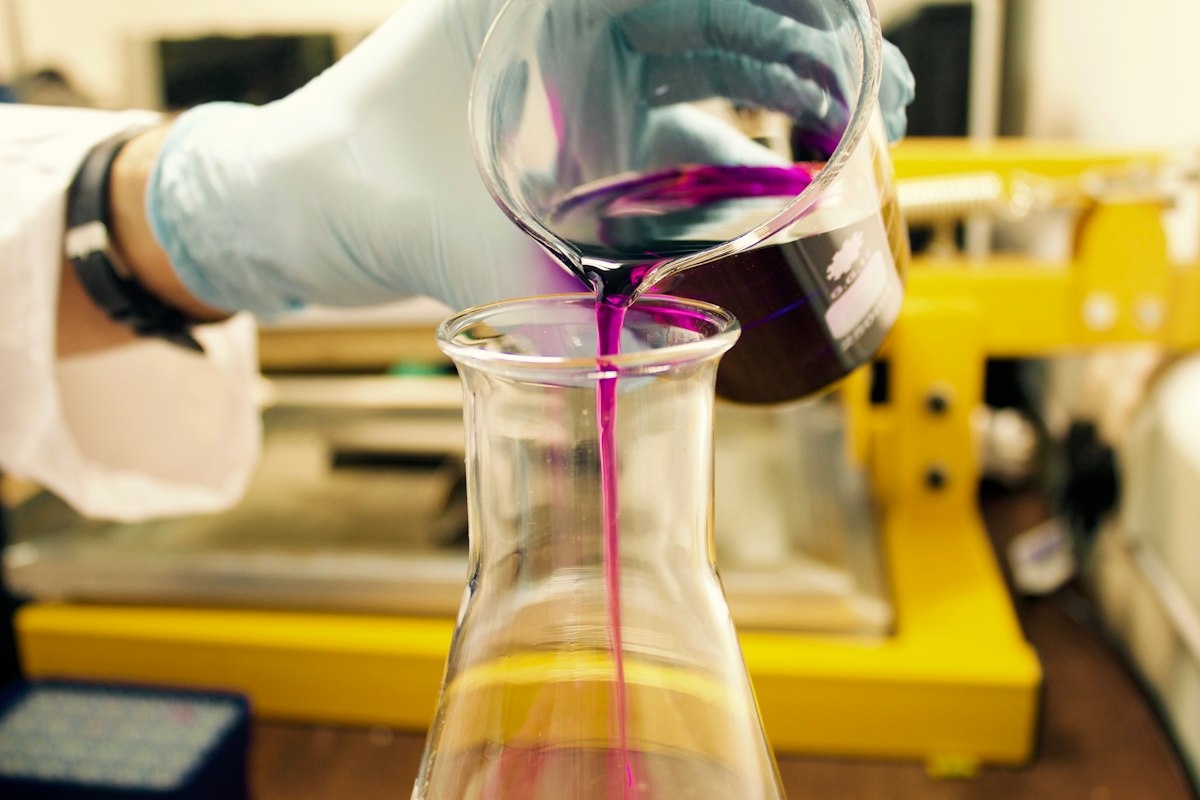
IB Chemistry Syllabus Overview
The IB Chemistry Syllabus 2026 introduces conceptual understanding, practical applications, scientific investigation and critical thinking skills essential for university-level science education.
Core Concepts
Study atomic structure, bonding, energetics and reactions through the updated IB Chemistry syllabus.
Practical Skills
Develop laboratory investigation techniques and analytical skills required in IB Chemistry.
Exam Preparation
Prepare using topic analysis, revision strategy and practice questions.
IB Chemistry Syllabus 2026 Topics Breakdown
The IB Chemistry Syllabus 2026 is designed to strengthen conceptual understanding and analytical thinking. Students learn scientific principles, practical investigations and real-world applications of chemistry.
Structure 1
Models of matter, atomic structure and understanding particles.
Structure 2
Introduction to bonding and molecular interactions in IB Chemistry.
Reactivity 1
Chemical reactions, stoichiometry and quantitative relationships.
Reactivity 2
Acids, bases and reaction behavior with practical applications.
Organic Chemistry
Study carbon compounds and their reactions.
Experimental Chemistry
Scientific investigation and laboratory techniques.
IB Chemistry Topic Weightage Analysis
This interactive graph helps students understand how much focus different topics may require while preparing for the IB Chemistry Syllabus 2026.
Why IB Chemistry Matters
The IB Chemistry Syllabus 2026 goes beyond memorization and encourages students to think critically. Students build research abilities, laboratory skills and scientific reasoning that are valuable for future studies in medicine, engineering, environmental science and biotechnology.
The updated IB Chemistry curriculum also emphasizes conceptual understanding. Rather than simply learning formulas, students explore why chemical systems behave in specific ways and how chemistry influences everyday life.
Related IB Chemistry Resources
Explore more IB Chemistry resources to improve your understanding and preparation.
IB Chemistry IA Guide
Learn how to select IA topics, structure investigations and score higher marks.
IB Chemistry SL vs HL
Understand differences in difficulty level, syllabus depth and workload.
IB Chemistry Study Plan
Follow a complete weekly preparation strategy for better exam performance.
IB Chemistry Revision Notes
Get quick revision resources and topic summaries.
Frequently Asked Questions
IB Chemistry can be challenging because it combines conceptual understanding, practical work and analytical thinking. With proper planning and revision strategies students can perform very well.
The syllabus includes structure, bonding, reactivity, organic chemistry and experimental investigations.
Practice consistently, solve past papers, improve practical skills and build conceptual understanding.
Master IB Chemistry with Nivara Academy
Get expert support, personalized mentoring and structured preparation strategies designed for IB students.
Official Resources
Visit the official International Baccalaureate website:
https://www.ibo.org/